Stock investing can seem intimidating for beginners, but it’s one of the most accessible ways to grow wealth over time. The stock market is a platform where individuals and institutions buy and sell shares of publicly traded companies. When you own a stock, you own a piece of that company.
There are several types of stocks, such as:
- Common Stocks: Standard ownership, including voting rights.
- Preferred Stocks: Priority for dividends, but usually no voting rights.
- Growth Stocks: Companies expected to grow faster than the market.
- Dividend Stocks: Provide regular income through dividends.
Investing in stocks gives you an opportunity to participate in the success of companies and benefit from capital appreciation and dividends. But it also comes with risks—something every beginner should respect and prepare for.
Must-Know Stock Market Terms for Beginners
Here are some essential terms you’ll often come across:
- Bull Market: A market characterized by rising stock prices.
- Bear Market: A market experiencing a prolonged decline.
- Market Capitalization (Market Cap): Total value of a company’s shares.
- Dividend: A portion of a company’s profit paid to shareholders.
- Blue-Chip Stock: Large, reliable companies with a history of solid performance.
- P/E Ratio (Price-to-Earnings): Valuation metric comparing price to earnings.
- IPO (Initial Public Offering): When a company goes public and offers shares.
Understanding these terms lays the foundation for smarter investing.
Stock Investing Tips for Absolute Beginners
To get started confidently, keep these beginner tips in mind:
- Start Small, Start Smart: Begin with index funds or ETFs to minimize risk.
- Know Your Risk Tolerance: Assess how much loss you can handle emotionally and financially.
- Diversify: Spread your investments across industries and geographies.
- Think Long-Term: The stock market rewards patience and consistency.
- Avoid Herd Mentality: Don’t buy just because everyone else is.
Essential Tools for New Stock Investors
Modern tools make investing easier than ever. These are must-haves:
| Tool | Purpose |
|---|---|
| Brokerage Accounts | Buy/sell stocks (e.g., Fidelity, TD Ameritrade) |
| Stock Screeners | Filter stocks by metrics (e.g., Finviz, TradingView) |
| Portfolio Trackers | Monitor investment performance (e.g., Yahoo Finance) |
| Simulators | Practice trading risk-free (e.g., Investopedia Simulator) |
Use these tools to research, simulate, and analyze before making real investments.
How to Choose a Stock Broker
Your broker will be your gateway to the market. Consider:
- Low Fees: Commission-free trades are now standard.
- User-Friendly Platform: Easy navigation and fast execution.
- Research and Data Access: News, analysis, and screeners built-in.
- Customer Support: Reliable help when needed.
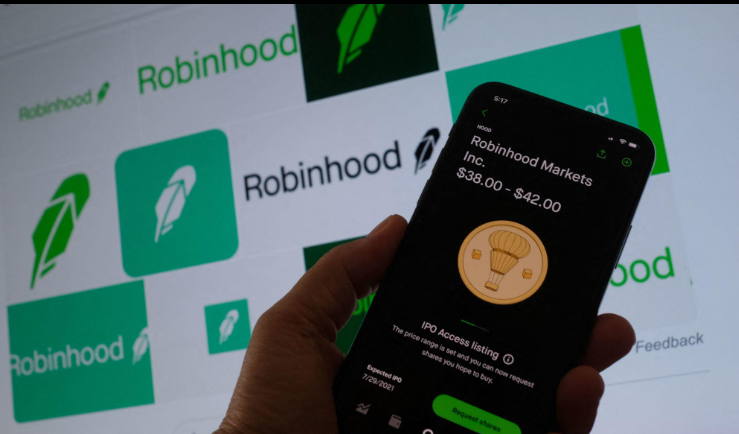
A few beginner-friendly platforms include Robinhood, E*TRADE, and Fidelity.
Common Mistakes to Avoid When Investing in Stocks
Avoid these rookie errors:
- Chasing Hype: Buying hot stocks without research often leads to losses.
- Trying to Time the Market: Nearly impossible to do consistently.
- Overtrading: Leads to excessive fees and tax issues.
- Neglecting Research: Don’t invest in companies you don’t understand.
Long-Term vs Short-Term Investing – What’s Right for You?
| Criteria | Long-Term | Short-Term |
|---|---|---|
| Goal | Retirement, wealth-building | Quick profits |
| Risk Level | Lower (usually) | Higher |
| Tax Impact | Favorable | Higher taxes on short-term gains |
| Strategy | Buy and hold | Day trading, swing trading |
Most beginners are advised to start long-term, focusing on consistent gains rather than risky quick wins.
Key Financial Metrics Every Investor Should Track
To evaluate a stock’s strength:
- Earnings Per Share (EPS) – Company’s profitability per share.
- Return on Equity (ROE) – Efficiency in generating profits from equity.
- Debt-to-Equity Ratio – Financial leverage indicator.
- Revenue Growth – Top-line expansion trend.
These metrics help in comparing companies and spotting value.
Basic Stock Analysis Methods Explained
There are two main types:
- Fundamental Analysis – Evaluates a company’s financials, leadership, industry.
- Technical Analysis – Focuses on charts, patterns, and trends.
- SWOT Analysis – Evaluates Strengths, Weaknesses, Opportunities, and Threats.
Beginners often start with fundamental analysis and gradually learn charting techniques.
Resources for Ongoing Learning in Stock Investing
- Books: “The Intelligent Investor” by Benjamin Graham, “Common Stocks and Uncommon Profits” by Philip Fisher.
- Podcasts: Motley Fool Money, InvestED.
- YouTube: Graham Stephan, Andrei Jikh.
- News Sites: CNBC, MarketWatch, Bloomberg.
Always be learning. The market changes fast.
Best Mobile Apps for Beginner Stock Investors
- Robinhood – Commission-free trades, beginner-friendly UI.
- Webull – Advanced features for free.
- eToro – Social trading for beginners.
- Yahoo Finance – Great for news and portfolio tracking.
- Seeking Alpha – In-depth analysis.
Paper Trading – Practice Without Risk
Perfect for beginners:
- What it is: Simulated trading with virtual money.
- Benefits: No real risk, learn platform tools.
- Best Platforms: Investopedia, TradingView, Thinkorswim (by TD Ameritrade).
Understanding Stock Risk and Volatility
- Beta: Measures a stock’s volatility relative to the market.
- VIX: Known as the fear index, tracks market volatility.
- Diversification: Reduces overall risk.
- Stop-Loss Orders: Helps manage downside automatically.
Dividend Investing – A Safe Strategy for Beginners?
Absolutely!
- Dividend: A portion of earnings shared with shareholders.
- Dividend Yield: Return based on the dividend and stock price.
- Dividend Reinvestment Plan (DRIP): Automatically reinvests dividends to buy more shares.
Dividend stocks like Coca-Cola or Johnson & Johnson are popular for stable returns.
Ethical and ESG Investing Basics
Want to invest responsibly?
- ESG: Environmental, Social, Governance standards.
- Sustainable Investing: Focus on long-term positive impact.
- Metrics: ESG ratings provided by platforms like Morningstar.
Creating Your First Investment Plan
Here’s how to get started:
- Define Your Goals – Retirement, savings, passive income?
- Assess Budget – Only invest what you can afford to lose.
- Select Strategy – Growth, income, or a blend?
- Track Progress – Use apps and journals.
Set monthly check-ins to review performance and learn.
FAQs About Beginner Stock Investing
1. How much money do I need to start investing?
You can start with as little as $1 using fractional shares on platforms like Robinhood.
2. Is stock investing risky?
Yes, but risk can be managed through diversification and long-term thinking.
3. Should I pay for stock advice?
Many free resources are available. Start there before paying for premium services.
4. How do I know when to sell a stock?
When it no longer meets your goals, or the fundamentals change negatively.
5. What’s better: individual stocks or ETFs?
ETFs are safer for beginners due to built-in diversification.
6. Can I invest if I’m not good at math?
Absolutely! Tools do the calculations—you just need to understand the basics.
Conclusion – Your Path to Smart Stock Investing Starts Here
The journey into stock investing may seem overwhelming, but with the right toolkit of terms, tips, and tools, you’ll build both confidence and capital. Begin with a solid foundation, use the available tools wisely, and most importantly—keep learning. The market rewards patience, discipline, and curiosity.